Be yourself; Everyone else is already taken.
— Oscar Wilde.
This is the first post on my new blog. I’m just getting this new blog going, so stay tuned for more. Subscribe below to get notified when I post new updates.
Be yourself; Everyone else is already taken.
— Oscar Wilde.
This is the first post on my new blog. I’m just getting this new blog going, so stay tuned for more. Subscribe below to get notified when I post new updates.
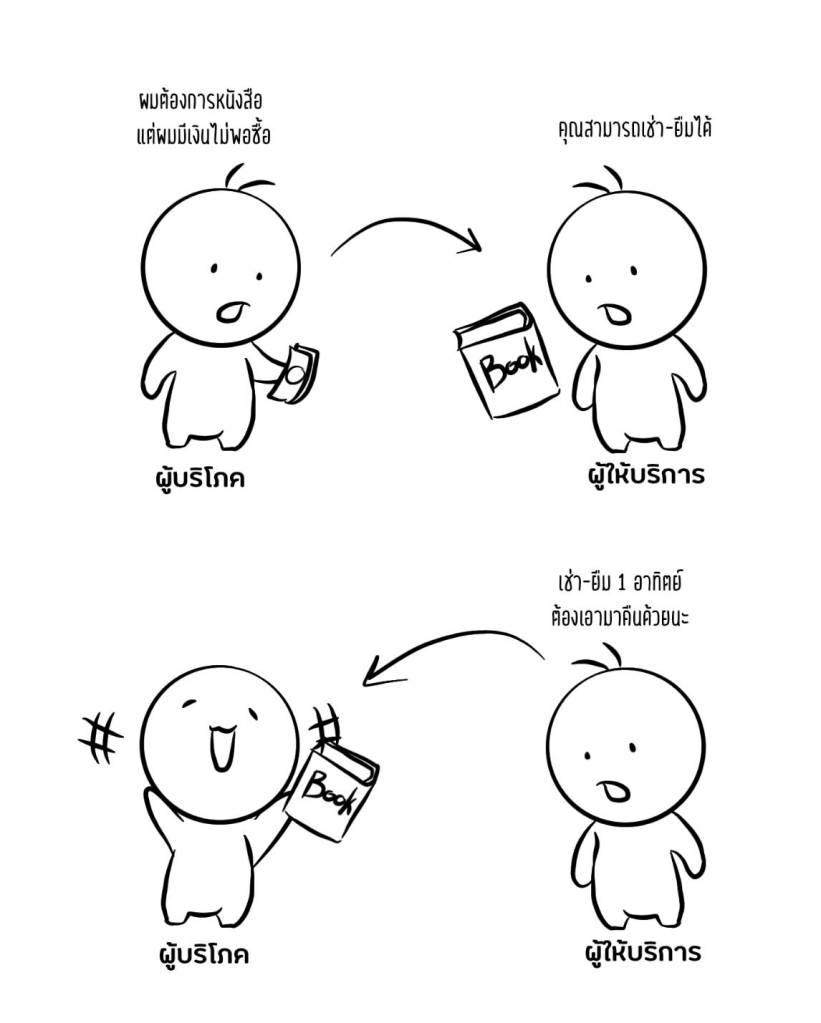
Sharing Economy หรือ เศรษฐกิจแบบแบ่งปัน คือแนวคิดทางธุรกิจที่เป็นการจับคู่ระหว่างผู้ใช้บริการและผู้ให้บริการ โดยผู้ให้บริการที่มีทรัพย์สิน เช่น สิ่งของ ห้องพัก อุปกรณ์ แรงงาน ที่ไม่ใช้หรือมีมากเกินความจำเป็น นำมาให้ผู้ใช้บริการเช่า-ยืมแทนการครอบครอง ซึ่งปัจจัยสำคัญที่ทำให้แนวคิดนี้ได้รับการยอมรับมากขึ้นคือ สภาพเศรษฐกิจที่อ่อนแอภายหลังจากวิกฤตการเงินโลกในปี 2008 ซึ่งเป็นช่วงเวลาที่มีอัตราการว่างงานสูงและการเข้าถึงข้อมูลบนเครือข่ายสังคมออนไลน์และการประมวลผลแบบ Cloud Computing ที่เพิ่มขึ้น ซึ่งทำให้เข้าถึงข้อมูลเชิงคุณภาพและเชิงปริมาณซึ่งเกี่ยวกับปัจจัยที่มีอิทธิพลต่อความต้องการและพฤติกรรมของผู้บริโภคได้ดีขึ้น ธุรกิจ Sharing Economy จึงเป็นธุรกิจที่สามารถสร้างรายได้ให้กับผู้ให้บริการและเป็นการเพิ่มทางเลือกให้กับผู้บริโภค ตลอดจนเป็นการนำทรัพยากรที่ยังไม่ถูกนำมาใช้หรือทรัพยากรส่วนเกิน (Excess Capacity) มาจัดสรรให้เกิดการใช้ประโยชน์อย่างเต็มที่และมีประสิทธิภาพสูงสุด
ในปัจจุบัน ประชากรส่วนใหญ่สามารถเข้าถึงข้อมูลเครือข่ายสังคมออนไลน์ได้มากขึ้น จึงมีส่วนสำคัญที่ทำให้ธุรกิจ Sharing Economy สามารถเติบโตได้อย่างก้าวกระโดด ซึ่งมีการคาดการณ์ว่าจะเติบโต จาก 15,000 ล้านเหรียญสหรัฐ ในปี 2014 ไปเป็น 335,000 ล้านเหรียญสหรัฐ ในปี 2025 โดยภาคอุตสาหกรรมที่คาดการณ์ว่าจะเติบโตสูงสุดคือ กลุ่มการท่องเที่ยวและกลุ่มคมนาคมขนส่ง
ธุรกิจ Sharing Economy มีผลกระทบอย่างมากในสังคมปัจจุบัน ได้แก่ ลดค่าใช้จ่ายแทนการซื้อในรูปแบบการเช่า-ยืม และผลักดันให้เกิดการเปลี่ยนแปลงพฤติกรรมของผู้บริโภคให้คำนึงถึงความคุ้มค่าและการจัดสรรทรัพยากรที่ดีขึ้น และในทางกลับกัน ธุรกิจนี้ยังมีผลเสียในด้านต่างๆ คือ ก่อให้เกิดวัฒนธรรมการบริโภคแบบชั่วคราว โดยผู้บริโภคจะเลือกซื้อสินค้าและบริการที่เน้นความสะดวกและราคา มากกว่าคำนึงถึงความสัมพันธ์ระหว่างผู้บริโภคและกลุ่มธุรกิจ เพราะส่วนใหญ่จะใช้บริการสินค้าหรือบริการนั้น ๆ เพียงครั้งเดียว และยังมีผลกระทบต่อมาตรฐานและตลาดแรงงานโดยเฉพาะงานบางประเภทที่ผู้ให้บริการไม่มีประสบการณ์ในด้านนี้มาก่อน และเข้ามาดำเนินการเพื่อเป็นอาชีพเสริม รวมถึงอาจมีกลุ่มคนทำงานบางส่วนเปลี่ยนมาหารายได้จากการปล่อยเช่าสินทรัพย์ที่ไม่ได้ใช้ประโยชน์มากขึ้นแทนการทำงานประจำซึ่งจะทำให้ลดแรงจูงใจในการพัฒนาทักษะการทำงานเฉพาะ ซึ่งนั่นอาจจะก่อให้เกิดปัญหาความไม่สอดคล้องของการศึกษาต่อตลาดแรงงาน (Labor Market Mismatch)
ในประเทศไทยยังไม่มีการรองรับการเปลี่ยนแปลงต่อระบบ Sharing Economy และยังคงใช้กฏหมายเดิมเพื่อกำหนดตลาด ทำให้ธุรกิจไทยขาดประสิทธิภาพในการดำเนินธุรกิจ จากการต้องเผชิญกับปัญหาและอุปสรรคจากข้อบังคับของกรอบกฎหมายที่ล้าสมัย
แหล่งข้อมูลอ้างอิง : www.wha-logistics.com (Sharing Economy) และ www.theeleader.com (ผลกระทบจาก Sharing Economy)
This is an example post, originally published as part of Blogging University. Enroll in one of our ten programs, and start your blog right.
You’re going to publish a post today. Don’t worry about how your blog looks. Don’t worry if you haven’t given it a name yet, or you’re feeling overwhelmed. Just click the “New Post” button, and tell us why you’re here.
Why do this?
The post can be short or long, a personal intro to your life or a bloggy mission statement, a manifesto for the future or a simple outline of your the types of things you hope to publish.
To help you get started, here are a few questions:
You’re not locked into any of this; one of the wonderful things about blogs is how they constantly evolve as we learn, grow, and interact with one another — but it’s good to know where and why you started, and articulating your goals may just give you a few other post ideas.
Can’t think how to get started? Just write the first thing that pops into your head. Anne Lamott, author of a book on writing we love, says that you need to give yourself permission to write a “crappy first draft”. Anne makes a great point — just start writing, and worry about editing it later.
When you’re ready to publish, give your post three to five tags that describe your blog’s focus — writing, photography, fiction, parenting, food, cars, movies, sports, whatever. These tags will help others who care about your topics find you in the Reader. Make sure one of the tags is “zerotohero,” so other new bloggers can find you, too.

 หัวข้อเว็บ